Sacred Ground

For four centuries the Rocketts — and the Norman family whose name became “Rockett,” the de Rupella and de la Rokele — founded, endowed, and served the Church. They gave land to abbeys, held the right to name parish priests, endowed chantries for their souls, sent sons and daughters into the cloister, and were laid to rest beneath carved stone. This is a gazetteer of those places, sorted by one question: can you still walk into it?

Ireland • England • Normandy 1264–1508 Eight still standing

Drawn from the family research corpus — charters, calendar rolls, inquisitions and monument inscriptions — with each entry marked as record, tradition, or inference. Photographs of the surviving sites are credited at the foot of the page.

How to read the tiers. A Documented ✦ tag means a charter, calendar roll, inquisition or inscription attests the act. Tradition means an antiquarian or a place-name carries it, awaiting a primary source. The Irish sites sit on your family’s own home ground; the English and Norman sites belong to the medieval de Rupella / de la Rokele family, from whom the Irish Rocketts descend.

Two worth the journey

If you visit nothing else, visit these — one for the proof, one for the heart.

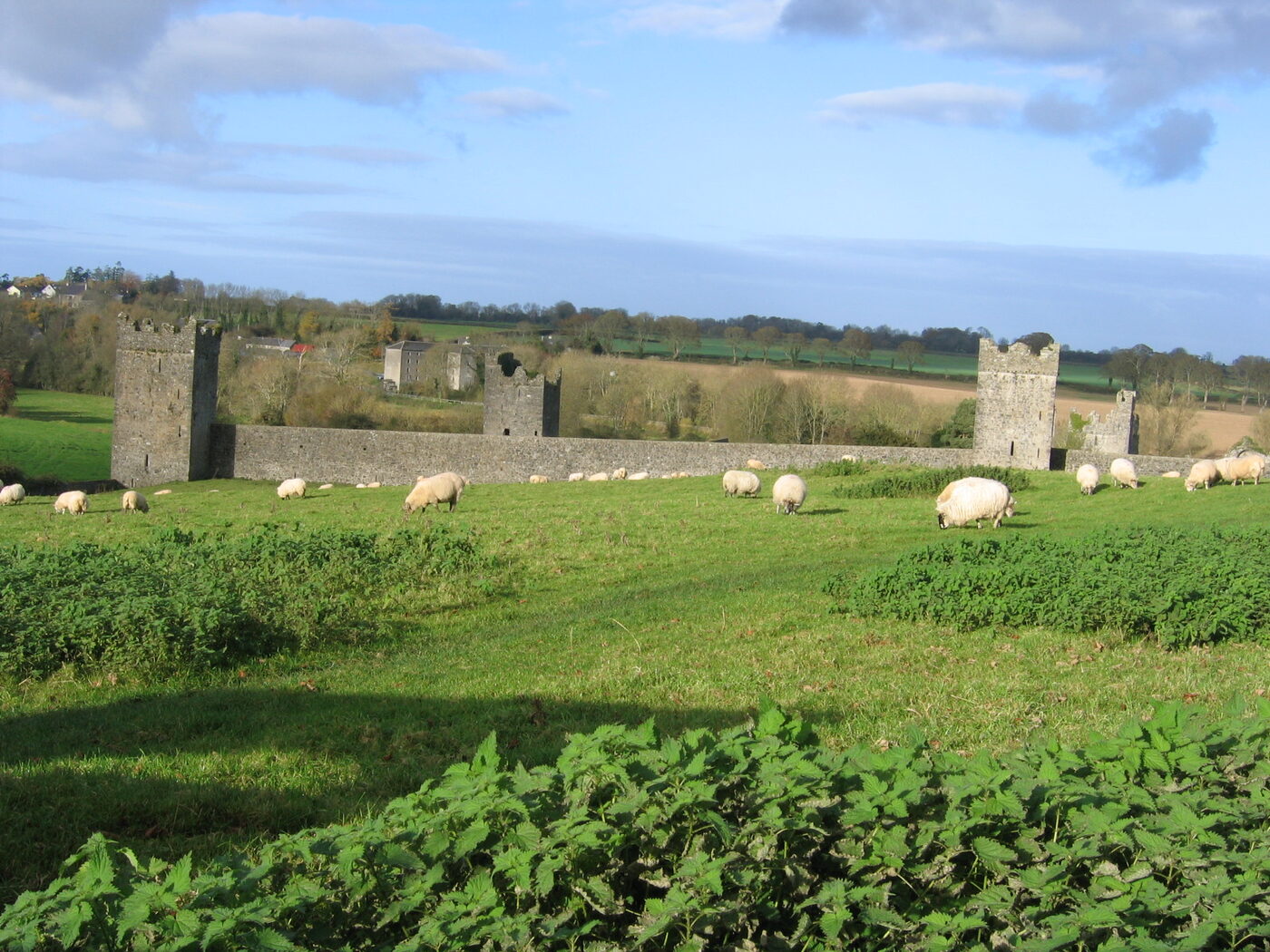
The medieval walls and tower houses of Kells Priory, Co. Kilkenny For the proof — Co. Kilkenny

Kells Priory

In 1264 Sir Richard de Rupella gave a church’s advowson to this priory “for his soul, and for the souls of his ancestors and heirs — especially for the soul of John, his uncle.” It is now one of the largest medieval monuments in Ireland — the walled “Seven Castles of Kells.” Free, open every day, and twenty minutes from your Kilkenny heartland.

Kells, Co. Kilkenny · OPW · open daily · free entry
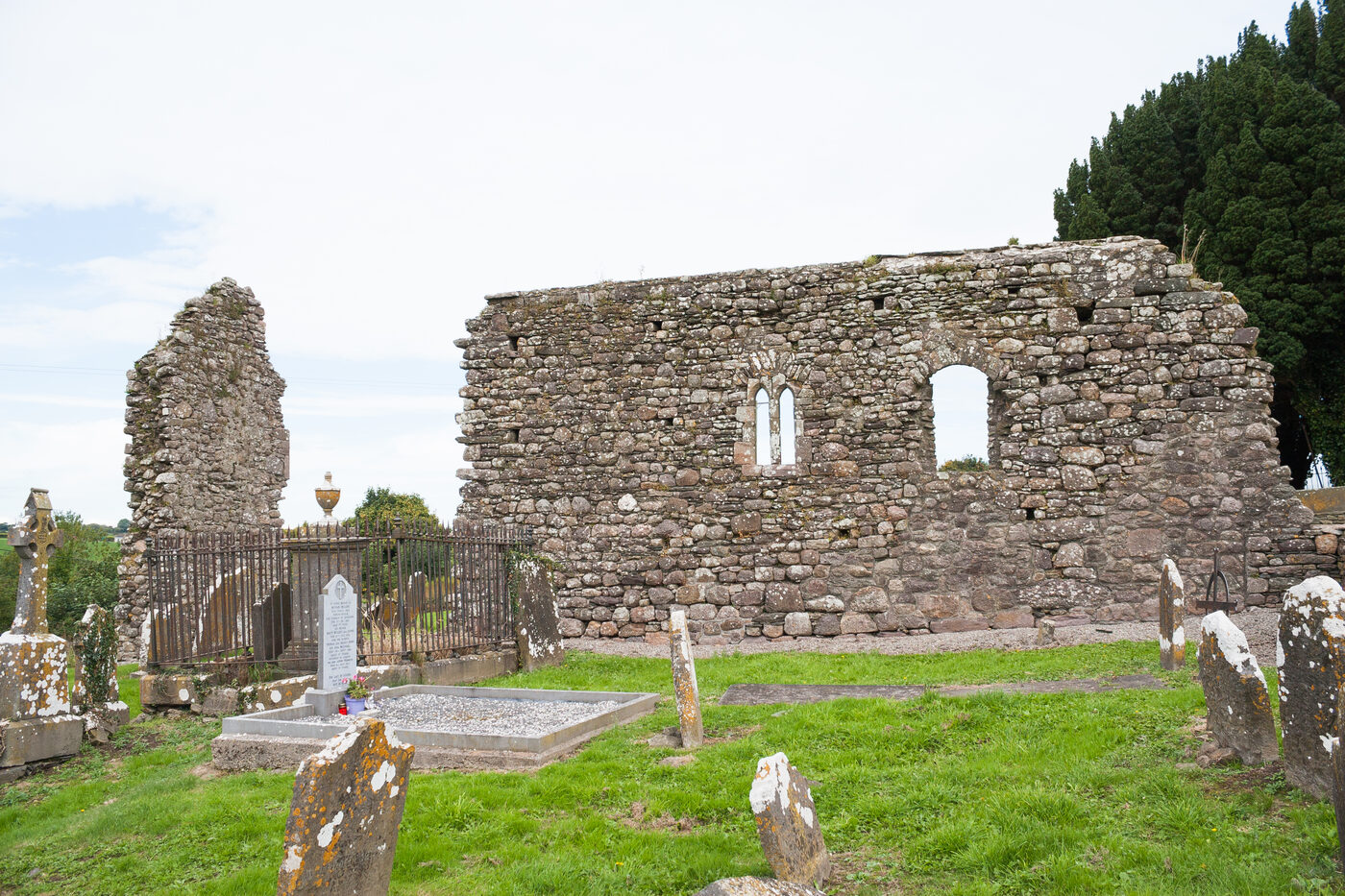
The surviving south wall of Mothel Abbey, Co. Waterford For the heart — Co. Waterford

Mothel Abbey

Your direct line’s own parish and burial ground for centuries. Roofless now — a west gable, a south wall, a carved tomb of about 1500 — but Rockett headstones still stand in the grass, and the surname is tied to this ground from 1569 down to your great-great-grandfather’s baptism in 1857.

Mothel, Co. Waterford · National Monument · enquire locally for the gate

Ireland — the home ground

Waterford, Kilkenny and Dublin: the country where the surname actually sits on your tree, and where the one man who carried the family from England to Ireland — Sir Richard de Rupella, Justiciar of Ireland — left the best-documented gifts on this whole list.

Kells Priory, Co. Kilkenny
Kells Priory · photo Adrienlesgo, public domain, via Wikimedia Commons

Kells Priory

Kells, Co. Kilkenny · Augustinian, founded 1193

Documented ✦ Standing & open

Sir Richard de Rupella (de la Rochelle), Justiciar of Ireland, granted the priory the advowson of Kellistown church — the right to name its priest — in 1264, “for his soul and for the souls of his ancestors and heirs, especially for the soul of John son of Geoffrey, his uncle.” The single best-attested act of Rockett-line religious patronage anywhere in the record.

TodayOne of the largest medieval monuments in Ireland — nave, chancel, Lady chapel, cloister, mill and a ring of seven tower-houses. OPW-guarded, open all year, free. About 15 km south of Kilkenny city.

Ormond Deeds No. 63 (Curtis, 1932) — a charter now in The National Archives (E.40).

St Mary’s Abbey, Dublin

Meetinghouse Lane, Dublin · Cistercian, one of medieval Ireland’s wealthiest houses

Documented ✦ Chapter house survives

The same Sir Richard de Rupella granted the vill of Dissert to St Mary’s Abbey; a charter of 1270 records his son Sir William as witness (“Domino Willelmo de Rupella, filio meo”). A second documented benefaction by the founding figure of the Irish line.

TodayThe abbey was swept away after the Dissolution, but its vaulted Chapter House survives below modern street level off Capel Street — an OPW site, open seasonally. The one place in Dublin where you can stand inside a building the family endowed.

Gilbert, Chartularies of St Mary’s Abbey, Dublin, vol. I p.254 / vol. II p.26.

Mothel Abbey, Co. Waterford
Mothel Abbey · photo Andreas F. Borchert, CC BY-SA 4.0, via Wikimedia Commons

Mothel Abbey

Mothel, Rathgormack, Co. Waterford · Augustinian priory, refounded c.1140

Direct-line ground Ruin, accessible

Not a documented medieval gift — but this is your line’s own parish church and graveyard. Piers Rockett is attested at Mothel in 1569; the surname holds this ground continuously down to Edmund Rockett (your ancestor, married here in 1856) and his son James’s baptism in 1857 — some 287 years of Rocketts at one altar. Rockett headstones survive in the yard.

TodayRoofless ruins — the west gable, part of the south wall, the carved side-panels of a c.1500 tomb, and medieval grave-slabs scattered in the graveyard. A National Monument; ask locally in Mothel village for access.

Fiant 1304 (1569); NLI parish registers; Mothel Abbey headstone survey.

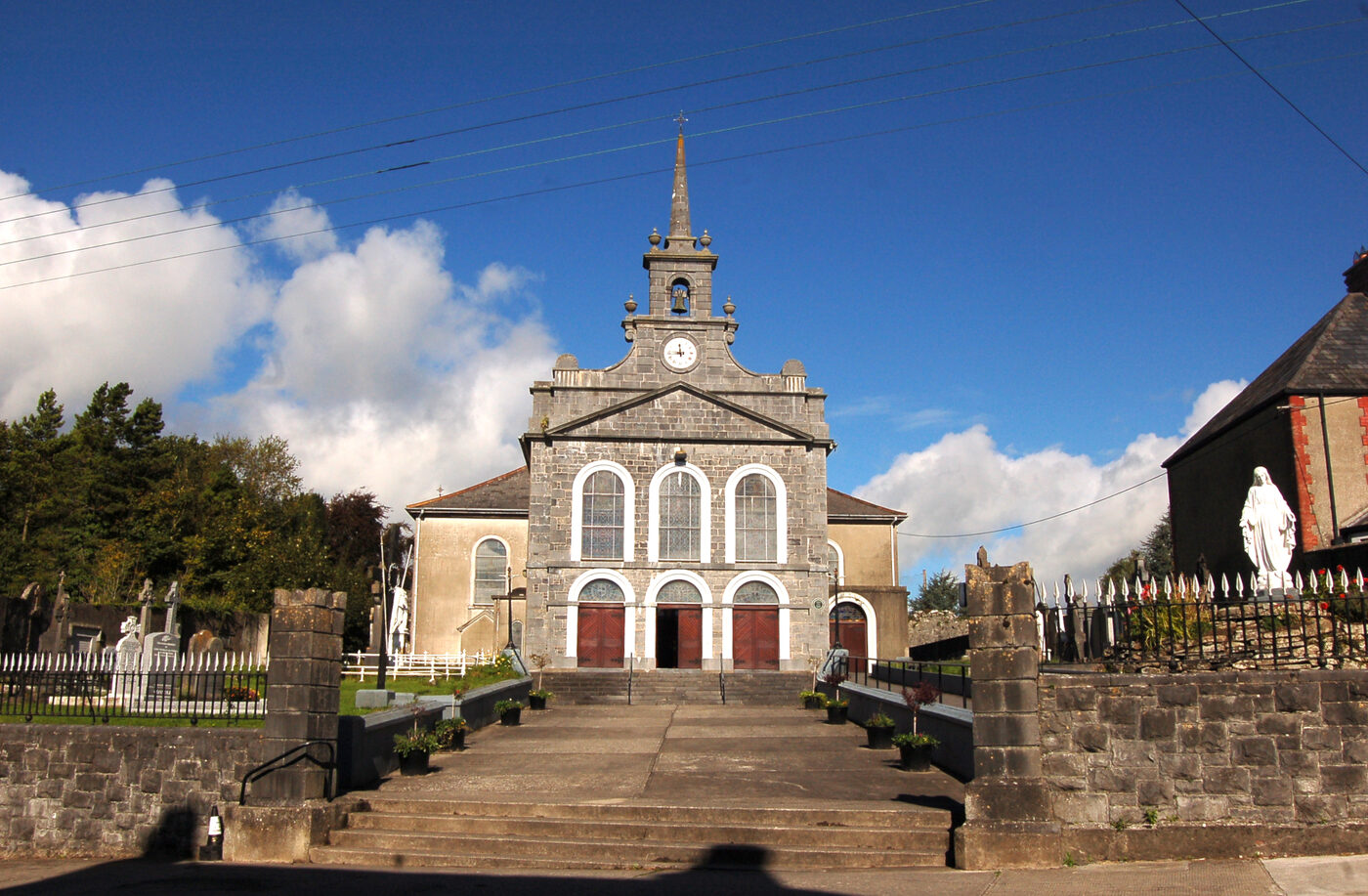
Holy Trinity Church, Fethard, Co. Tipperary
Holy Trinity Church, Fethard · photo A.-K. D., CC BY-SA 4.0, via Wikimedia Commons

Holy Trinity Church

Fethard, Co. Tipperary · medieval parish church, 13th–15th c.

Tradition · monument Standing & open

Anne Roket, wife of Edmund Hackett, died 1508 — and tradition holds that the Hacketts helped rebuild this church, with Edmund and Anne dying during the works. A “Roket” is bound up in the very re-founding of the building; her memorial sits among Fethard’s famous medieval tombs.

TodayA remarkably intact medieval church inside Fethard’s walled town — four-bay nave, a late-15th-century tower, original chancel and chapel. Open for worship on Sundays; at other times the key is held at the Fethard Horse Country Experience nearby.

Monument inscription (Irish Graveyards); Fethard parish tradition.

Anne Roket’s kinship to the direct Rockett line is not established — a striking lead for the medieval bridge, ten years before the Iverk Rockett gentry become richly documented, rather than a proven ancestor.

Killowen church-site

Clonagam parish, Co. Waterford · by Curraghmore / Portlaw

Tradition · toponymic Slight remains

An old church-site — Cill Eoghain — recorded as standing on land locally called “Rockett’s farm.” A name-in-the-landscape rather than a documented gift, but it plants the surname beside a church in the very parish of the family’s lost seat at Gortardagh.

TodayA minor site of interest chiefly for the place-name; best combined with a Portlaw / Curraghmore visit.

Rev. P. Canon Power, The Place-Names of Decies (1907), p.413.

Also standing — the later family, if you want the fuller pilgrimage. Beyond the medieval sites, the family’s more recent resting-places are all easy to reach: Holy Cross cemetery, Tramore (the “Erected by Mary Rockett of Drumcannon, 1896” stone — that Mary is Mary Power, and directly your line); the Franciscan Friary, Carrick-on-Suir; and Mooncoin Old Cemetery, Co. Kilkenny, beside the home parish of your 1720 patriarch, Petrus.

The family still in the ground

Mooncoin / south Kilkenny

These abbeys and churches are where the name reached for heaven; the everyday truth is quieter and closer. Rockett headstones stand today in the graveyards of Mooncoin, Mothel, Tramore and Carrick — the same parishes, in an unbroken line, that the medieval charters first named.

TodayOpen graveyards, freely visited. The most personal stop of all.

Worked negatives, so you don’t chase them. The medieval Kilbarry Hospitaller preceptory near Waterford was checked against its own register (Corpus Christi MS 405) — no Rockett donor or tenant. At Christ Church Cathedral, Waterford the name appears only as two medieval mayors (John Rocket, 1393 & 1412) — civic office, not church patronage. And the 16th–17th-century Iverk gentry leave rich land records but, so far, no surviving church or tomb.

England & the Norman Connection

Two centuries earlier and a sea away, the family whose name became “Rockett” were persistent church patrons across Essex, Kent, Norfolk, Berkshire, Wiltshire and London — holding advowsons, founding chantries, and giving land to the great monasteries. Several of their churches still hold Sunday services.

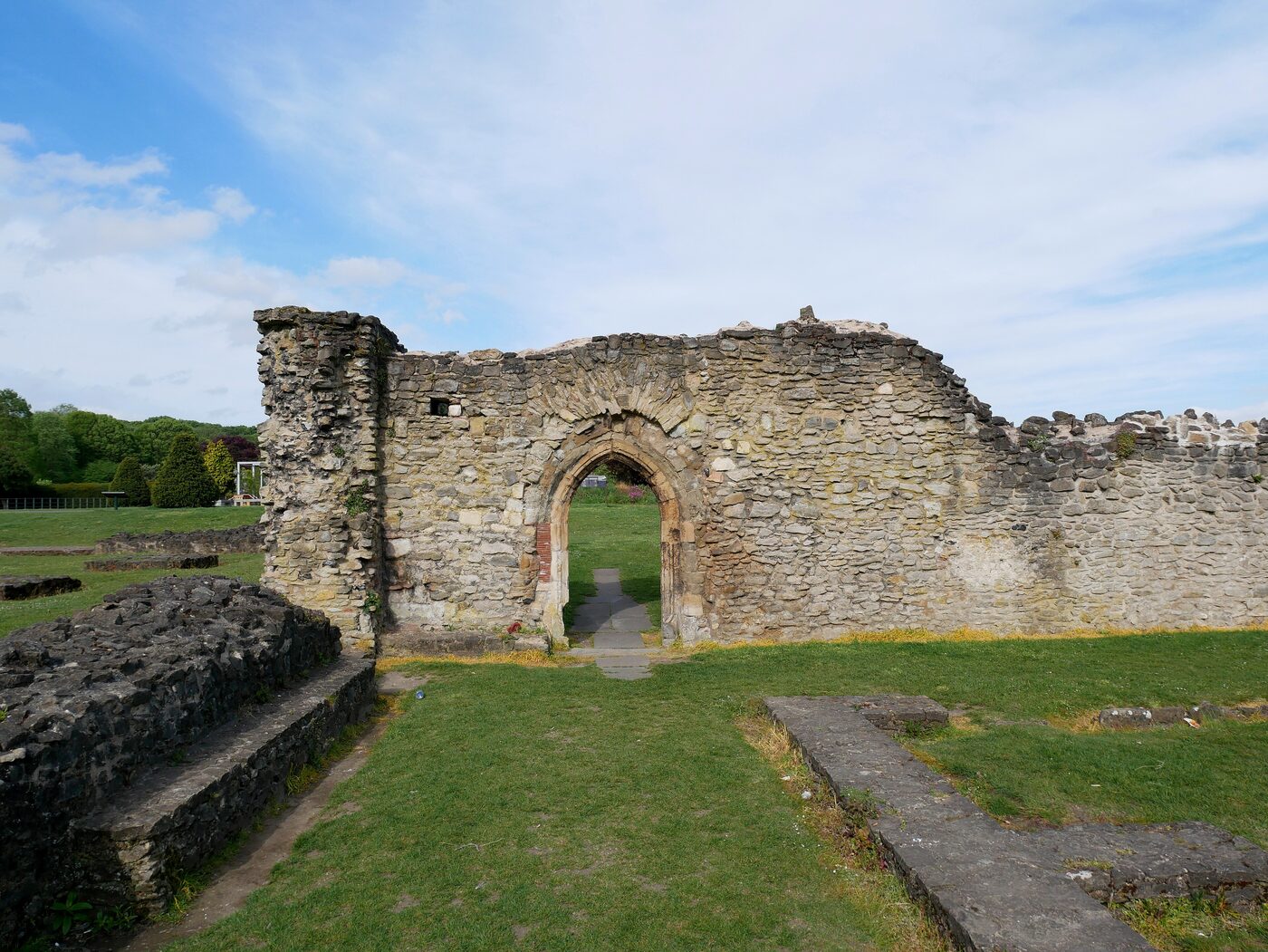
The ruins of Lesnes Abbey, Bexley
Lesnes Abbey · photo Ethan Doyle White, CC BY-SA 4.0, via Wikimedia Commons

Lesnes Abbey

Abbey Wood, Bexley (SE London) · Augustinian, founded 1178

Documented ✦ Ruin in a public park

Robert de Rokella gave the abbey land in free alms — confirmed by a charter of King John in 1206 — the family’s clearest documented gift to an English monastery.

TodayThe most visitable English site: the abbey’s low walls and plan survive inside an 88-hectare public park of ancient woodland and gardens, with a café and exhibition. Free, open all year, a short walk from Abbey Wood station on the Elizabeth line.

Rotuli Chartarum (King John charter, 4 April 1206); Dugdale, Monasticon vol. VI.

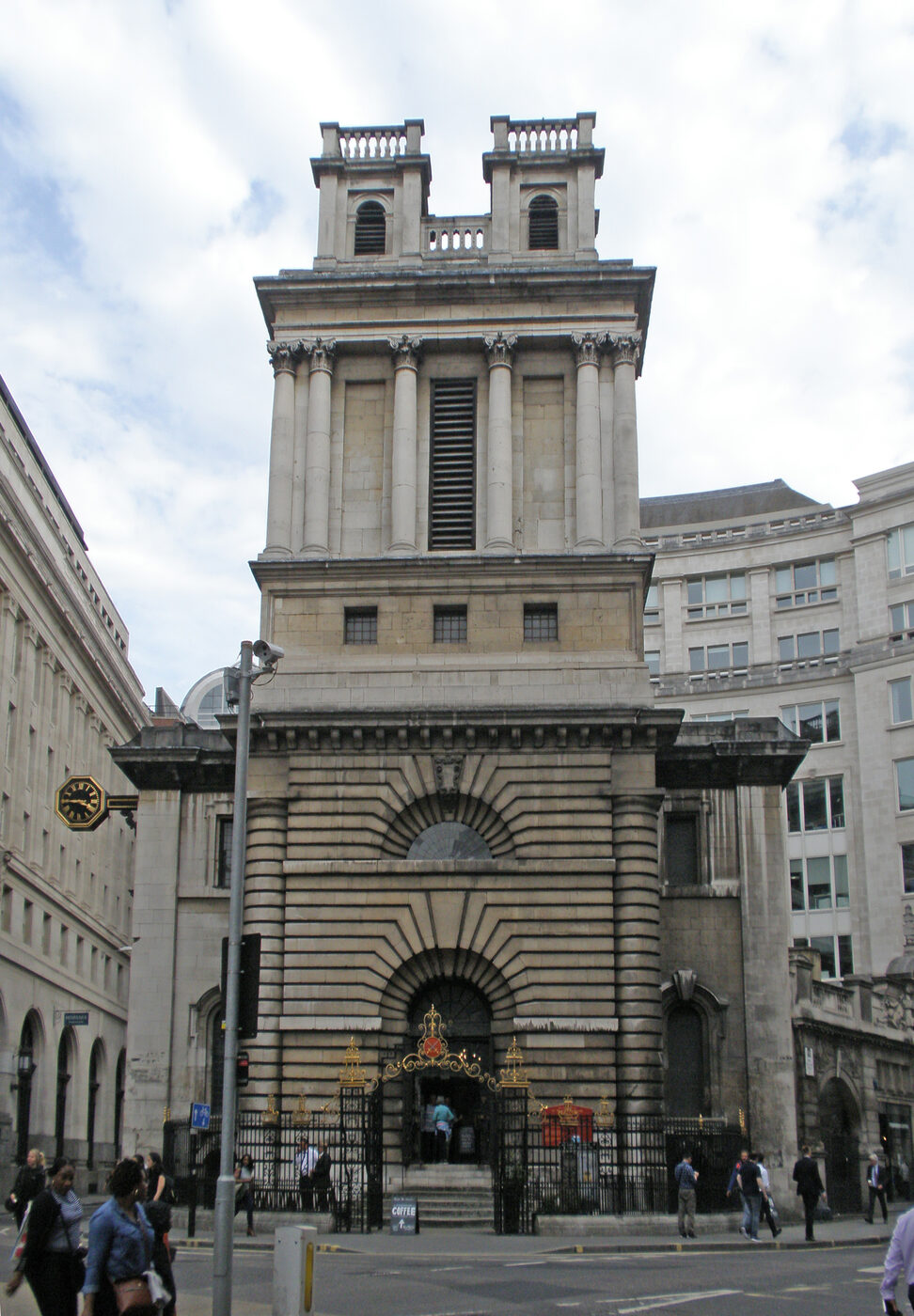
St Mary Woolnoth, Lombard Street, City of London
St Mary Woolnoth · photo Amanda Slater, CC BY-SA 2.0, via Wikimedia Commons

St Mary Woolnoth

Lombard Street, City of London

Documented ✦ Standing & open

Gregory de Rokesle, Lord Mayor of London and master of the King’s Mint, founded a chantry by his will — property left to fund a chaplain saying daily mass for himself and his wife Avice, with the life-interest to his nephew Walter.

TodayStill an active City church — the present building is Nicholas Hawksmoor’s masterpiece of 1716, standing over the medieval site above Bank station. Walk in on a weekday.

Calendar of Inquisitions Miscellaneous, vol. 2.

St Andrew’s, Willingale Doe

Willingale, Essex

Documented ✦ Standing & open

Godfrey de Rupella gave the church its original glebe land; the family then held the manor and its advowson for generations. The village’s very second name, “Doe,” preserves the family’s d’Eu byname — a place still carrying the Norman name on the map.

TodayThe parish church stands, and famously shares its churchyard with a second church (Willingale Spain) — one of England’s celebrated “two churches in one yard.” Open for services.

J.H. Round, “The Church and Glebe of Willingale Doe” (1903); Bracton’s Note Book, case 841.

The medieval effigy inside is Thomas Torrell, not a Rokele — don’t mistake it for family.

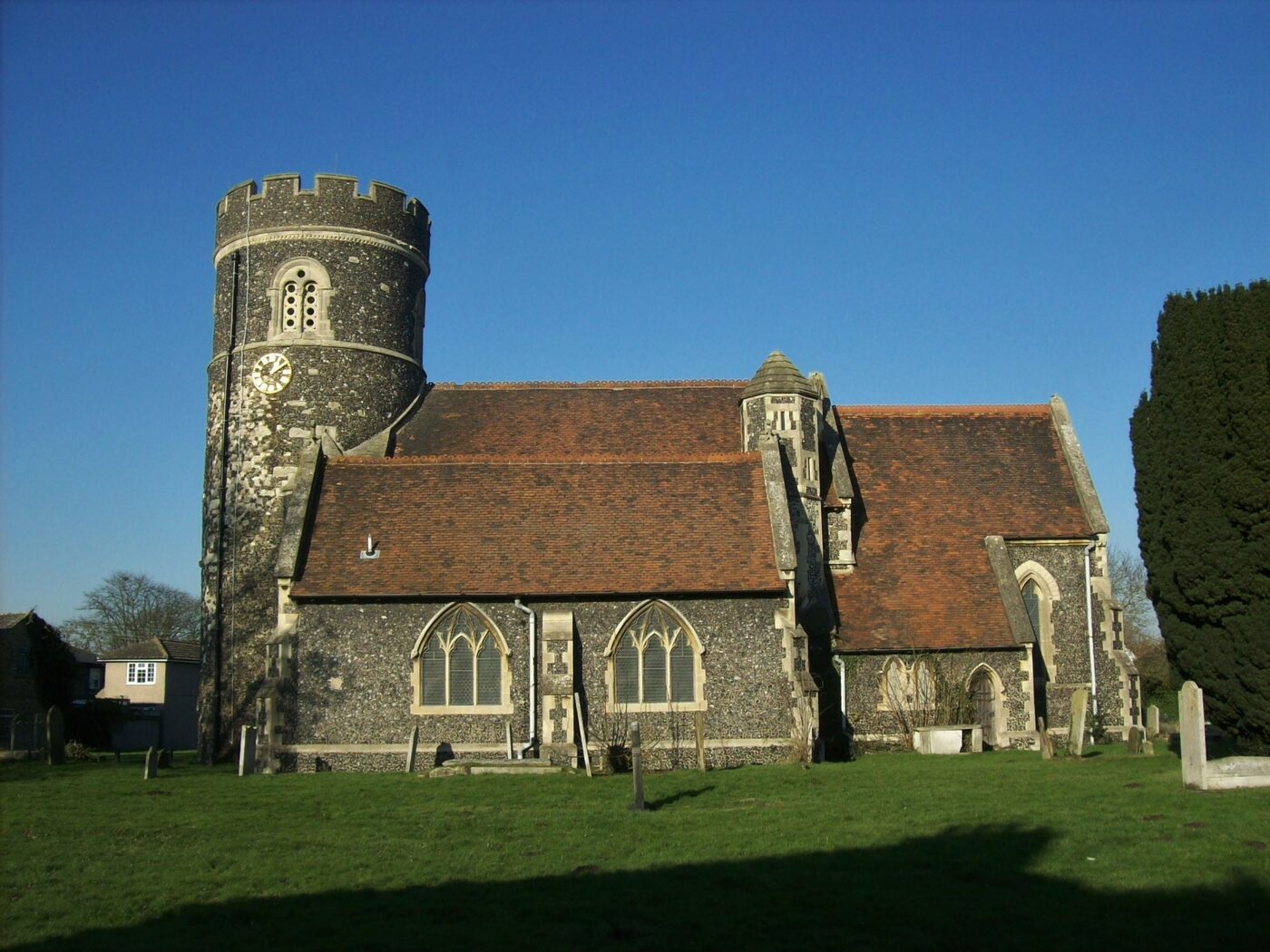
St Nicholas' Church, South Ockendon, with its round tower
St Nicholas, South Ockendon · photo Poliphilo, CC0, via Wikimedia Commons

St Nicholas’, South Ockendon

Thurrock, Essex · the manor of “Wokyndon Rokele”

Documented ✦ Standing & open

Philip de la Rokele held the church’s advowson as a tenant-in-chief; rectors were presented by reason of his lands in 1297 and 1300–01. The manor literally carried the family name — Wokyndon Rokele.

TodaySt Nicholas’ stands, notable for one of only six round church-towers in Essex. Still in use.

Calendar of Patent Rolls, Edw. I; Morant, History of Essex (1768).

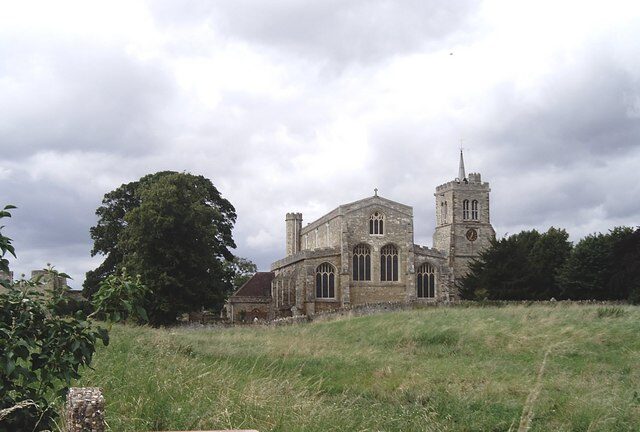
The Abbey Church of St Mary and St Helena, Elstow
Elstow Abbey church · photo David Kemp, CC BY-SA 2.0, via Wikimedia Commons

Elstow & Barking Abbeys

Bedfordshire & East London · daughters of the family in the cloister

Documented ✦ Church & ruins survive

Sarra de la Rokele was a professed Benedictine nun of Elstow (attested 1252, senior enough to act as an electoral proxy). Joan de la Rokele was a nun of Barking (1295). Not patrons, but family who gave their lives to these houses.

TodayElstow’s Abbey Church of St Mary & St Helena is still in use, with monastic ruins alongside. Barking Abbey survives as ruins and the Curfew Tower, in a public heritage park in East London.

Calendar of Patent Rolls, Hen. III; Calendar of Inquisitions Post Mortem, vol. 2.

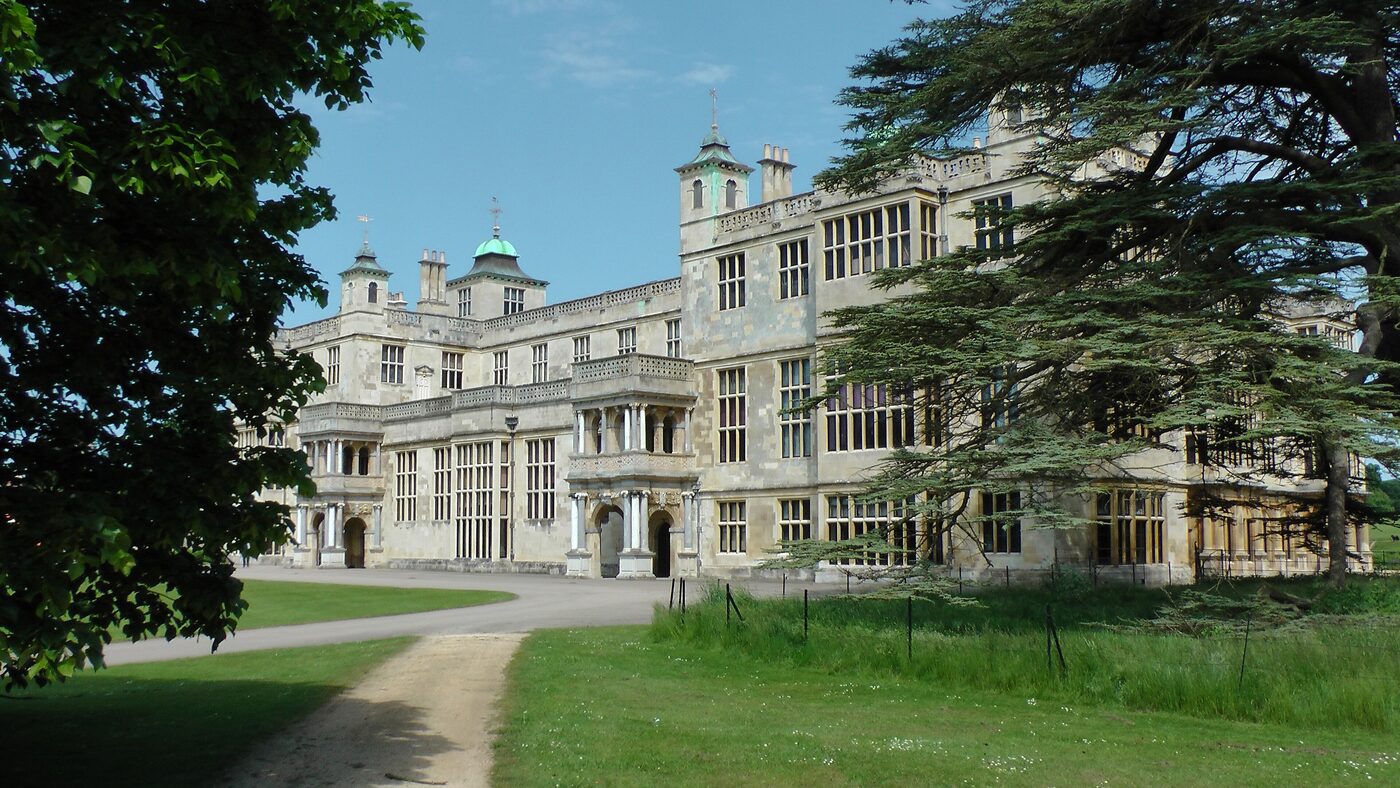
Audley End House, on the site of Walden Abbey, Essex
Audley End House, on the abbey’s site · photo John Chapman, CC BY-SA 4.0, via Wikimedia Commons

Walden Abbey & the Saffron Walden chantry

Saffron Walden, Essex · Benedictine, founded c.1136

Documented ✦ Abbey gone · house on site

Three touches across three centuries: Humphrey de Rokele witnessed the abbey’s founding by Geoffrey de Mandeville (c.1135–40); Robert de la Rokele in 1302 quitclaimed to the abbot his private chantry of three masses a week in his own chapel; and a later Robert Rokele’s will was filed at the abbey in 1422.

TodayThe abbey did not survive the Dissolution — the great Jacobean mansion Audley End House (English Heritage) now stands on its site, so the setting, not the fabric, remains.

Adams (2013), citing the Walden cartulary, BL Harley MS 3697.

St Mary the Virgin, Braughing

Hertfordshire · with a lost London chantry

Documented ✦ Church open London chantry gone

John Rokel, by his will of 1368, asked to be buried in Braughing churchyard, left twelve oak trees to the fabric of the church, and endowed a chantry in the London church of All Hallows the Great for the souls of his parents.

TodayBraughing church stands and is worth the visit. The London chantry’s church, All Hallows the Great, was demolished in 1894 — that half is gone.

Husting Wills, vol. 2 (Sharpe).

St Mary’s, Market Lavington

Wiltshire

Documented ✦ Standing & open

William de la Rokele — father of the Justiciar Richard — sued for “the manor and advowson of Lavington” in 1220–21, claiming his ancestor Godefrid de la Rachele had held it in the reign of Henry I. Richard later granted the manor and advowson onward in 1268. One of the deepest reaches of the family’s advowson claims.

TodaySt Mary’s parish church stands and serves the village.

Curia Regis Roll, 5 Hen. III; Wrottesley, Pedigrees from the Plea Rolls, p.261.

More churches they held

Beyond the sites above, the record shows the de la Rokele family holding the advowson of — or giving land to — a further run of churches and priories, chiefly in Norfolk, Essex and Berkshire. These are documented in inquisitions and fines but offer less of a “pilgrimage” payoff; most of the churches still stand as ordinary parish churches.

Church / houseCountyRockett holder & actSource
Appleton church → Westacre PrioryNorfolkRichard de Rupella — advowson giftBlomefield, Norfolk VIII ✦ primary
Flitcham Priory (Augustinian)NorfolkRichard de la Rokele — land grant in mortmain, 1351Calendar of Patent Rolls ✦ primary
Chapel of Earley (Erlegh)BerkshireHumphrey de la Rokele & Maud — advowson, life-grant 1325CIPM, Edw. III vol. VIII ✦ primary
Bromhall Priory chantryBerkshire1351 perpetual chantry “for the soul of William de la RokeleCalendar of Patent Rolls
Rokelund churchNorfolkRichard de la Rokele — advowson within a four-fee estate, c.1306CIPM vol. 4
Colney churchNorfolkRobert de la Rokele conveyed ¼ manor with advowson, 1332Blomefield, Norfolk V
Colkirke churchNorfolkRichard de la Rokele Jr held manor & advowson, d.1296CIPM vol. 3
Little Dunmow Priory & AshdonEssexRobert de la Rokele — priory advowson valued 40 marksInquisition post mortem
Great Stambridge (parson)EssexThomas de la Rokele — family member as rector, 1258–62Fine Rolls, Hen. III
A documented tie, and a blank. Philip de la Rokele was patron of Hatfield Peverel Priory’s dependent chapel of Wadley, at Fairstead, Essex — settling with the prior over it in 1226 — so a Rokele link to the priory is firmly on record. A direct endowment of the priory itself, however, remains unattested: its own register burned in a fire in 1231. A handful of the family also served as clergy — a vicar at Newport Pagnell, a rector at Chelsfield, a monk-theologian at Norwich and Oxford, and Walter de Rokele, a Templar pensioned to the Hospitallers in 1338.

The one figure who carries the family from England to Ireland — Sir Richard de Rupella, the Justiciar — is also the author of the two best-documented gifts on this whole list: Kells, and St Mary’s Abbey, Dublin.

Sources & image credits

On the evidence. A Documented ✦ tag means a charter, calendar roll, inquisition or inscription attests the act. Tradition means an antiquarian source or a place-name carries it, awaiting a primary document. Where a claim was checked and failed, it is listed as a worked negative rather than quietly dropped. Full source citations appear under each entry.

Photographs

All site photographs are reproduced under their stated licences; each links back to Wikimedia Commons, and CC BY-SA images are used with attribution. The Mooncoin plot is a family photograph.

  • Kells Priory — Adrienlesgo, public domain
  • Mothel Abbey — Andreas F. Borchert, CC BY-SA 4.0
  • Holy Trinity, Fethard — A.-K. D., CC BY-SA 4.0
  • Lesnes Abbey — Ethan Doyle White, CC BY-SA 4.0
  • St Mary Woolnoth — Amanda Slater, CC BY-SA 2.0
  • St Nicholas, South Ockendon — Poliphilo, CC0
  • Elstow Abbey — David Kemp, CC BY-SA 2.0
  • Audley End House — John Chapman, CC BY-SA 4.0
  • All Wikimedia images via commons.wikimedia.org